
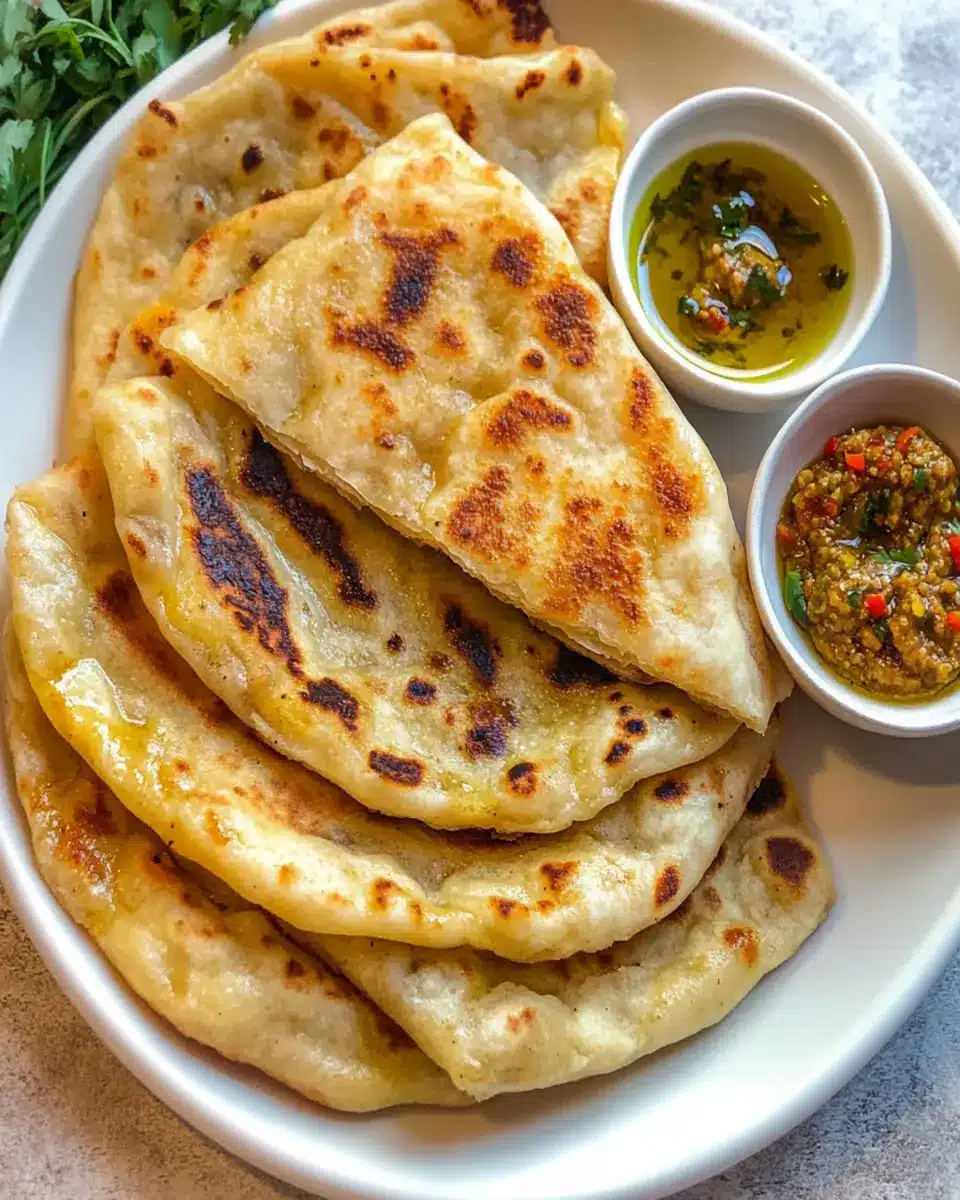
Introduction to Moroccan Folded Flatbread
Moroccan Folded Flatbread is a delightful staple rooted in the heart of Moroccan cuisine. This traditional bread, often enjoyed with stews and tagines, serves not only as an accompaniment but also as a canvas for flavors. Imagine tearing off a piece to scoop up a fragrant tagine; it’s a comforting experience that brings warmth to any meal.
The Essence of Moroccan Folded Flatbread
At its core, Moroccan Folded Flatbread is a simple yet versatile creation. The dough, made from all-purpose flour, salt, sugar, and active dry yeast, rises beautifully, resulting in a light and airy texture. The addition of olive oil enriches the dough, imparting a subtle richness that enhances the overall flavor. This flatbread is not just about sustenance; it’s about creating moments and sharing meals.
Why You’ll Love It
Whether you’re a young professional navigating a busy kitchen or a homemade-food lover seeking to elevate your dining experience, this flatbread fits seamlessly into your culinary repertoire. It’s quick to prepare and pairs perfectly with a variety of dishes. Plus, making Moroccan Folded Flatbread can become a cherished ritual, allowing you to unwind and connect with the art of cooking.
In just a few simple steps, you can create this delicious bread, perfect for scooping, dipping, and savoring. So why not give it a try? Your tastebuds will thank you, and your dinner guests will be impressed by your homemade touch.
Key Ingredients
Flour
All-Purpose Flour (3 cups): The foundation of the Moroccan Folded Flatbread, all-purpose flour provides the necessary structure and texture to create a soft, pliable dough that’s easy to work with and holds up well during cooking.
Salt
Salt (1 teaspoon): Essential for flavor, salt enhances the taste of the flatbread, balancing the other ingredients and helping to control yeast activity during the dough’s rise.
Sugar
Sugar (1 teaspoon): This small amount of sugar not only adds a hint of sweetness but also acts as food for the yeast, aiding in fermentation and contributing to a lovely golden color when cooked.
Active Dry Yeast
Active Dry Yeast (1 tablespoon): The key leavening agent, active dry yeast helps the dough rise, creating a light and airy texture in the finished flatbread. It’s crucial to ensure the yeast is fresh for the best results.
Warm Water
Warm Water (1 1/4 cups): The warmth of the water activates the yeast, allowing it to ferment and rise effectively. It’s important that the water is not too hot, as this can kill the yeast.
Olive Oil
Olive Oil (2 tablespoons): Adding a rich flavor and moisture, olive oil enhances the dough’s texture, making it tender and adding a subtle taste that complements the flatbread beautifully.
Moroccan Folded Flatbread is not just bread; it’s a delicious means to enjoy your favorite Moroccan dishes. From the simple yet effective ingredients to the process of making it, each step contributes to a delightful culinary experience.

Why You’ll Love This Recipe
Moroccan Folded Flatbread is a culinary gem that not only complements your favorite dishes but also brings a touch of authenticity to your dining experience. This recipe is perfect for young professionals and homemade-food lovers who appreciate both flavor and convenience. You’ll love how easy it is to whip up this bread, even on a busy weeknight!
Quick and Easy Preparation
With just a handful of ingredients and straightforward steps, this flatbread can be ready in no time. It’s a fantastic way to impress friends and family without spending hours in the kitchen. Plus, the preparation time is minimal, allowing you to focus on the delicious stews and tagines that deserve a perfect partner.
Versatility at Its Best
Not only is Moroccan Folded Flatbread delightful on its own, but it also serves as a versatile side for various meals. Whether you’re scooping up a hearty tagine or enjoying it with a simple dip, this flatbread adapts beautifully to your culinary needs. It’s a great addition to any meal, making it a staple in your kitchen.
A Flavorful Experience
What makes this recipe truly special is the way it enhances your meal experience. The warm, freshly made flatbread brings a comforting element to your table, inviting everyone to gather and enjoy. It’s not just about eating; it’s about connecting over good food and shared moments. So why not try making this Moroccan Folded Flatbread? Your taste buds will thank you!
Variations on Moroccan Folded Flatbread
Moroccan Folded Flatbread is a versatile canvas that invites creativity in the kitchen. While the traditional recipe is delicious on its own, there are numerous variations you can explore to suit your taste.
Herb-Infused Flatbread
One delightful variation is to incorporate fresh herbs into the dough. Chopped parsley, cilantro, or even mint can add a refreshing twist to the flatbread, making it a perfect accompaniment to rich, savory dishes. Just mix in about a quarter cup of your chosen herbs during the initial mixing stage for an aromatic flavor boost.
Spiced Flatbread
For those who enjoy a bit of heat, consider adding spices like cumin, coriander, or paprika to the dough. A teaspoon of each can transform your flatbread into a flavor-packed side that pairs beautifully with tagines or spicy stews. This variation not only tastes amazing but also adds a beautiful color to the finished product.
Stuffed Flatbread
Another creative option is to make stuffed flatbreads. After flattening the dough, place a filling of your choice—such as spiced potatoes, sautéed vegetables, or cheese—on one disc, cover it with another disc, and seal the edges. Cook as usual on a griddle for a deliciously hearty meal.
These variations make Moroccan Folded Flatbread not just a side dish, but an exciting addition to your culinary repertoire. Experimenting with flavors and fillings allows you to customize this bread to perfectly complement your favorite Moroccan dishes.
Cooking Tips and Notes
Cooking Moroccan Folded Flatbread is a delightful experience, and a few tips can enhance your results.
Getting the Perfect Dough
To achieve a silky smooth dough, knead it for a full 10 minutes. This process develops the gluten, giving the flatbread its characteristic texture. If the dough feels too sticky, add a little more flour, but be cautious not to overdo it.
The Importance of Heat
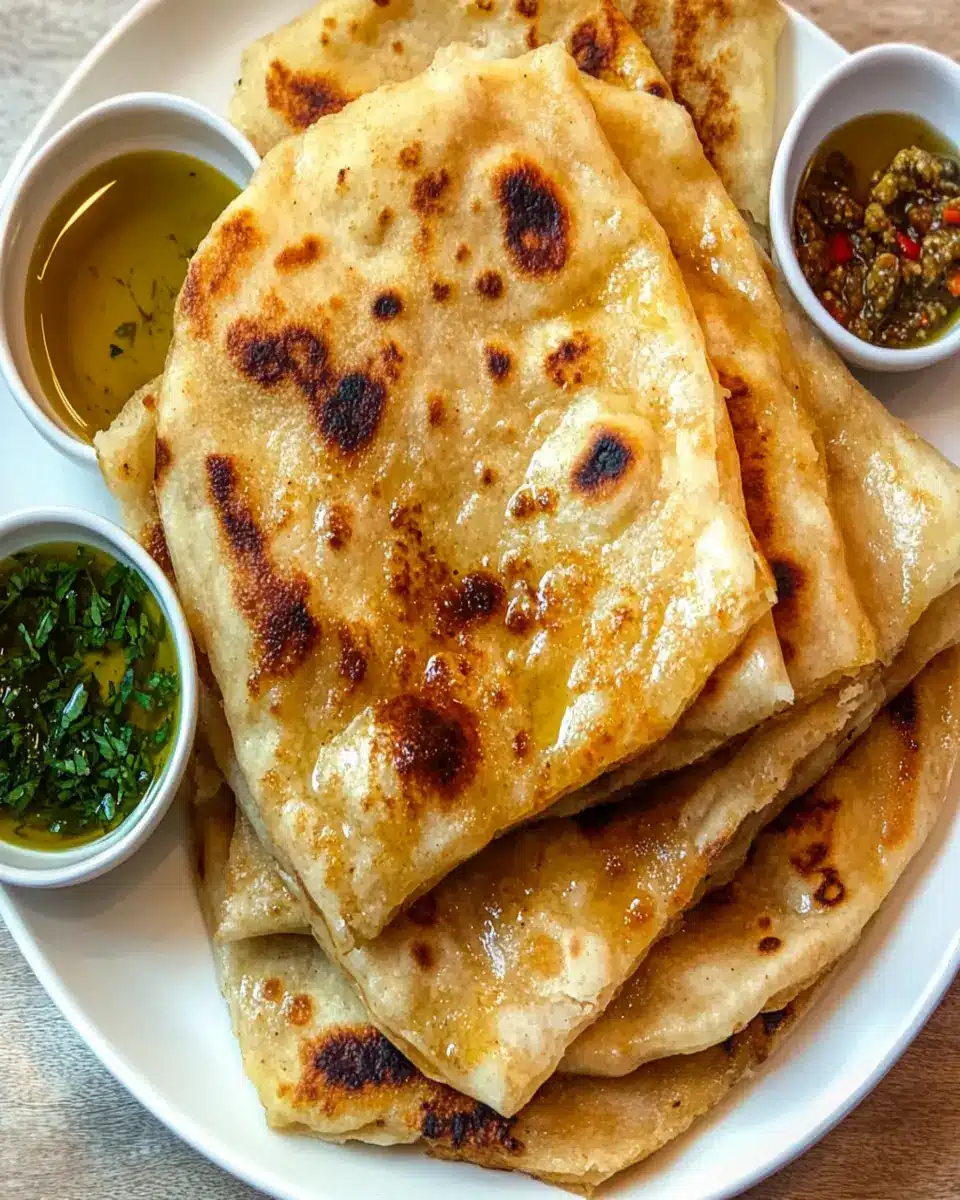
When cooking the flatbreads, ensure your griddle is hot enough before placing the dough on it. A properly heated surface will help create those lovely golden-brown spots and provide a nice, slightly crispy exterior while keeping the inside soft and fluffy.
Storing and Reheating
If you have leftovers, store the flatbreads in an airtight container at room temperature for up to a few days. To reheat, simply place them back on the griddle for a minute on each side, or briefly warm them in a microwave. This will restore their softness and make them enjoyable again.
Experiment with these tips, and you’ll soon master the art of making Moroccan Folded Flatbread that’s perfect for accompanying your favorite Moroccan dishes!
Serving Suggestions
Moroccan Folded Flatbread is a versatile addition to any meal, enhancing both flavor and presentation. This traditional bread pairs beautifully with a variety of Moroccan dishes, making it an essential component of your dining experience.
Pairing with Stews and Tagines
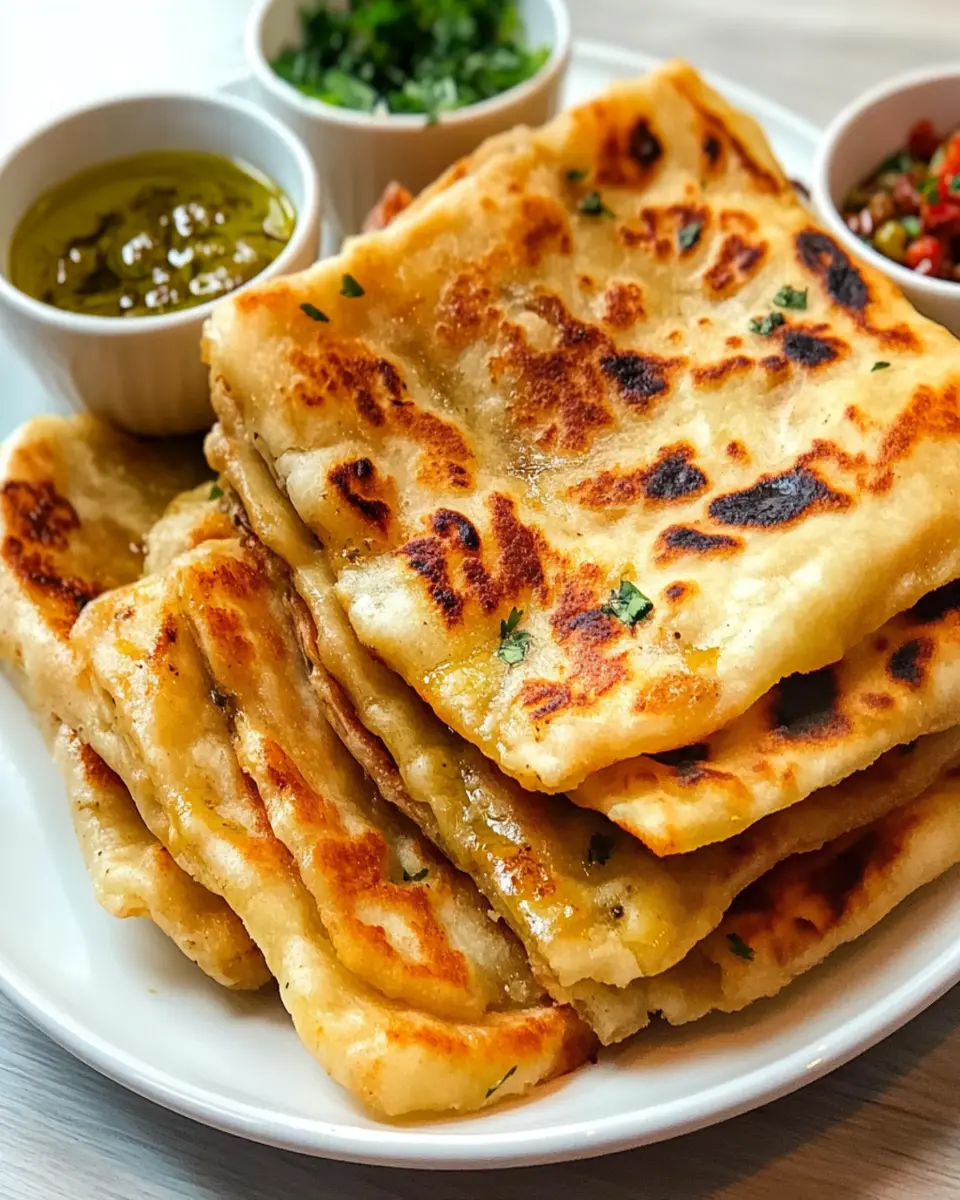
One of the best ways to enjoy Moroccan Folded Flatbread is by serving it alongside rich, aromatic stews and tagines. The flatbread acts as a perfect vessel for scooping up the savory sauces and tender meats, allowing you to savor every bite. Whether it’s a classic lamb tagine or a vegetable stew, the flatbread brings a delightful textural contrast.
Enjoying with Dips
Another delicious option is to serve the flatbread with a selection of dips. Hummus, baba ganoush, or a spicy harissa sauce can turn your meal into a vibrant spread. The soft, warm flatbreads are perfect for tearing and dipping, inviting a communal dining experience that encourages sharing and conversation.
Breakfast or Snack Time
Don’t overlook Moroccan Folded Flatbread as a breakfast or snack option! Spread a bit of butter or your favorite jam on a warm piece, or enjoy it with cheese and olives for a delightful morning treat. Its versatility means it can easily transition from a side dish to a satisfying snack, making it a staple in your kitchen.
Incorporating Moroccan Folded Flatbread into your meals not only enhances the flavors but also elevates the entire dining experience, making each meal feel special.
Time Breakdown
When preparing Moroccan Folded Flatbread, understanding the time commitment can help you plan better.
Preparation
15 minutes: This includes mixing the ingredients and kneading the dough until it’s smooth and elastic.
Cooking/Baking
20 minutes: Once the dough has risen, cooking the flatbreads on a hot griddle takes only a few minutes per side.
Total
1 hour 35 minutes: This encompasses the full process, including rising time, making it a manageable project for any home cook.
Efficiency Tip: Prepare the flatbreads while your main dish is cooking to maximize your time in the kitchen!
Nutritional Facts
Moroccan Folded Flatbread is not only delicious but also relatively healthy. Each serving contains approximately 150 calories, making it a manageable addition to your meal. With 3g of total fat and 4g of protein, it’s a good source of energy without being overly indulgent.
In terms of carbohydrates, each flatbread offers around 28g, including 1g of fiber, which aids in digestion. With no cholesterol and a modest amount of sodium (200mg), this bread fits well into a balanced diet, especially when paired with nutrient-rich dishes. Enjoy this delightful flatbread guilt-free as part of your favorite Moroccan meals!
FAQs Based on “People Also Ask”
What is Moroccan Folded Flatbread?
Moroccan Folded Flatbread is a traditional bread made primarily from all-purpose flour, salt, sugar, yeast, warm water, and olive oil. It is known for its soft texture and is typically used to scoop up Moroccan dishes like stews and tagines.
How do you store Moroccan Folded Flatbread?
You can store Moroccan Folded Flatbread in an airtight container at room temperature for a few days. If you want to keep it fresh for longer, consider freezing it and reheating as needed.
Can I make Moroccan Folded Flatbread in advance?
Yes! You can prepare the dough ahead of time and allow it to rise. Once cooked, the flatbreads can be stored for later use, making them a convenient option for meal prep.
Conclusion
Moroccan Folded Flatbread is not only a staple in Moroccan cuisine but also a versatile addition to any meal. Its soft, pillowy texture makes it perfect for scooping up hearty stews and flavorful tagines, enhancing your dining experience. Whether you’re a busy professional or a homemade-food enthusiast, this flatbread is easy to prepare and pairs beautifully with a variety of dishes. Don’t hesitate to try this delightful recipe—your taste buds will thank you! Cook, save, and share this delicious flatbread with friends and family for a truly memorable meal.
Print
Moroccan Folded Flatbread
This traditional Moroccan flatbread is perfect for scooping up stews and tagines.
- Total Time: 1 hour 35 minutes
- Yield: 8 flatbreads 1x
Ingredients
- 3 cups all-purpose flour
- 1 teaspoon salt
- 1 teaspoon sugar
- 1 tablespoon active dry yeast
- 1 1/4 cups warm water
- 2 tablespoons olive oil
Instructions
- In a bowl, mix flour, salt, sugar, and yeast.
- Gradually add warm water and olive oil, mixing until a dough forms.
- Knead the dough on a floured surface for about 10 minutes.
- Place the dough in a greased bowl, cover, and let it rise for 1 hour.
- Divide the dough into balls and flatten them into discs.
- Cook on a hot griddle for 2-3 minutes on each side until golden brown.
Notes
- Serve with your favorite Moroccan dishes.
- Can be stored in an airtight container for a few days.
- Prep Time: 15 minutes
- Cook Time: 20 minutes
- Category: Breads
- Method: Baking
- Cuisine: Moroccan
- Diet: Vegetarian
Nutrition
- Serving Size: 1 flatbread
- Calories: 150
- Sugar: 0g
- Sodium: 200mg
- Fat: 3g
- Saturated Fat: 0.5g
- Unsaturated Fat: 2g
- Trans Fat: 0g
- Carbohydrates: 28g
- Fiber: 1g
- Protein: 4g
- Cholesterol: 0mg